Germany’s ‘Brown Babies’
MochaJuden
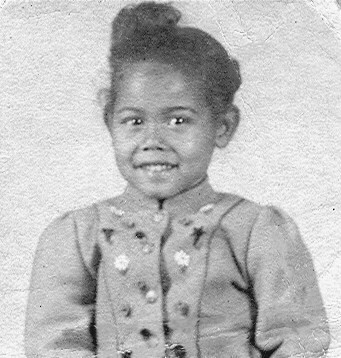
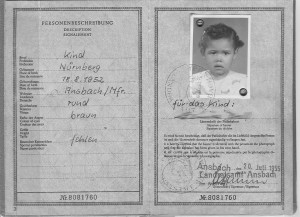
Out of the 95,000 U.S. Occupation babies born in Germany in the 1950s – 60s there were approximately 5000 of us, Post WWII Afro-German children or so-called Negro mulatto babies, better known as ‘Mischlingskinder” in Germany and ‘Brown Babies‘ in the United States. In 1952, the SPD (Social Democratic Party of Germany) deemed that we formed a special group, presenting a human and racial problem of a special nature. Our national and cultural heritage [perhaps even our [religious birthright], were seen to be in direct contrast to our skin color.
Germany’s Brown Babies: The Difficult Identities of Post-War Black Children of GIs by Stephanie Siek
Excerpt:
Born in an era when Germany was still grappling with its responsibility for the Holocaust and when the US Army had a policy of not acknowledging paternity claims brought against its soldiers stationed abroad, some of these children were put up for adoption in the United States. At the time, Germany judged itself incapable of absorbing these “brown babies” — as they have come to call themselves. In the late 1940s and 1950s, efforts were made to match them with African-American military families, many of whom were stationed around Germany at the time.
Forbidden to Speak German
The adoptees grew up in the United States, many with no idea they were adopted or that they were half-German (for information on the difficulties encountered by BBlack GIs wanting to stay with their German girlfriends, read the sidebar on the left). Scattered across the country, many of the children were forbidden to speak German in their new homes. At the time, it was believed that continuing to speak German would damage their ability to learn fluent English. (Article originally published HERE.)
MochaJuden
Black German Cultural Society, Inc (BGCS)™
 Founded in 1999, the Black German Cultural Society, Inc (BGCS)™, established itself as the premiere organization serving as a resource and networking organization as well as a forum to facilitate awareness, discussions, and reflection of important issues that impact Black Germans, Post WWII Afro-Germans (known as Brown Babies and Mischlingskinder), and their descendants.
BGCS is a federally recognized 501(c)3 charitable non-profit organization of Afro/ Black Germans who reside in the USA, Germany, and other places abroad who are dedicated to embracing, honoring, and preserving the dual cultural heritage of being African American and German.
BGCS also supports, promotes, and may initiate a number of educational activities such as but not limited to: exhibits, lectures, tours to historical sites and cultural centers, educational forums, seminars and panel discussions in academic and non-academic settings.
Find us at Afrogermans.us Facebook Twitter
Please Note: The use of any personal photographs from this website without the express written authorization and consent of authors, MochaJuden.com and/ or the Black Germans Cultural Society (BGCS)™ is prohibited. All images are either personal photos or have either been purchased, used with permission, credited and linked back to their outside sources or are readily available in various places on the Internet. Images posted are used with the best intentions and are believed to be published according to the U.S. Copyright Fair Use Act, title 17, U.S. Code. If you believe that any content appearing on this website/blog infringes on your copyright, please notify us.
Leave a Reply
 BHM Cape May Cty NJ: Wildwood was an entertainment hub for AA performers. Not permitted to stay in YT hotels local… https://t.co/krmMiw5qSZ - posted on 02/02/2023 12:50:08
- Hanna Jahanforooz MORNING
https://t.co/fbhsFZ51af - posted on 31/01/2023 12:49:08
- Gela by Abyssinia Infinite featuring Ejigayehu "Gigi" Shibabaw
https://t.co/DGu1flDaDc - posted on 30/01/2023 18:05:41
- Gela by Abyssinia Infinite feat. Ejigayehu "Gigi" Shibabaw - (Zion Roots):
https://t.co/bIb3lxxSMf - posted on 30/01/2023 18:02:42
- HBCU Dillard University Re-Launches the Dillard University National Center for Black-Jewish Relations in New Orlean… https://t.co/am6V5HTzwv - posted on 29/01/2023 16:40:46